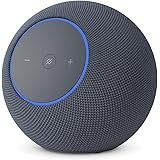
The Amazon Echo, as humorously depicted in the video above with the “Echo Silver” skit, often presents a paradox. While designed to simplify our lives, modern technology can sometimes feel more like a puzzle, particularly for older adults. The sketch highlights, through playful exaggeration, many real-world frustrations that seniors and their families encounter when interacting with smart devices. From needing louder responses to mishearing names or struggling with complex interfaces, these are genuine challenges that can deter the “greatest generation” from adopting helpful new tools. However, the premise behind the humor—that technology *can* be adapted for greater ease of use—holds significant truth and promise for improving daily life.
Indeed, the potential for smart speakers for seniors is immense, far surpassing the comedic scenarios. As our population ages, with a significant portion of older adults seeking to maintain independence and stay connected, the role of voice assistants becomes increasingly vital. These devices offer a gateway to the digital world without the need for complex screens or keyboards, making information and assistance readily accessible through the power of voice. Understanding the true capabilities and how to best introduce these tools can transform everyday experiences for older adults, enhancing their quality of life in meaningful ways.
Bridging the Digital Divide with Voice Assistants for Older Adults
Many older adults face genuine hurdles in adopting new technologies, often due to physical limitations such as declining vision or hearing, or cognitive changes that make navigating intricate menus difficult. The beauty of voice assistants lies in their intuitive, hands-free operation, which directly addresses many of these challenges. Instead of fumbling with small buttons or tiny fonts, a simple vocal command can achieve a desired outcome. This ease of interaction can significantly lower the barrier to entry, fostering a sense of empowerment rather than frustration.
Consider the analogy of a personal assistant who is always available but never intrusive. That’s essentially what a smart speaker offers, providing instant access to information, entertainment, and assistance without needing to dial a phone or type a query. The shift from a visual, tactile interface to an auditory, conversational one is revolutionary for individuals who might otherwise feel left behind by the rapid pace of technological advancement. Moreover, these devices can reduce feelings of isolation by providing a constant, interactive presence within the home, a comfort for those living alone.
The Actual Power of Voice Technology for Seniors
Beyond the video’s humorous take on the “Echo Silver,” real voice assistants for older adults offer a suite of features that are genuinely beneficial. The comedic portrayal of getting the weather forecast or sports scores points to fundamental needs that smart speakers meet effortlessly. For instance, asking “Alexa, what’s the weather like today?” provides immediate, audible information without the need to read a screen or listen to a lengthy news report. This immediate access to practical daily information, like temperatures or traffic updates, helps seniors plan their day with greater confidence.
Entertainment is another major benefit, with smart speakers serving as a vast library of music, audiobooks, and podcasts. The video touches on this by showing an older gentleman requesting “black jazz.” In reality, a senior can ask their device to play anything from classical music to swing, rock and roll, or their favorite radio station, simply by name. This access to personalized entertainment can provide comfort, stimulation, and a connection to cherished memories, enriching their daily routine significantly. It’s like having a personal DJ who knows exactly what tunes will lift their spirits.
Home Control and Daily Living Simplification
The skit humorously exaggerates the difficulty of controlling smart home devices, with the Echo Silver turning the heat up to 100 degrees. In practice, real voice assistants can seamlessly integrate with smart thermostats, lights, and other connected devices, offering seniors greater control over their environment. Adjusting the thermostat with a voice command, for example, is far simpler and safer than fumbling with complex controls or bending down to a wall unit, especially for those with mobility issues. Such integration supports independent living by making essential home functions more accessible.
Beyond direct control, these devices can help manage everyday tasks. For older adults, remembering medication schedules or appointments can be a significant challenge. Voice assistants can be programmed to set reminders, serving as a reliable memory aid. A simple “Alexa, remind me to take my pills at 8 AM” ensures that important tasks are not overlooked. This feature alone can contribute significantly to a senior’s autonomy and peace of mind, acting as a gentle, audible nudge throughout the day.
Beyond Basic Commands: Enhanced Features for Seniors
The “uh-huh” feature in the SNL skit, designed for long rambling stories, playfully highlights a desire for companionship and someone to listen. While a smart speaker cannot truly replicate human interaction, it can facilitate communication and provide a sense of presence. Many seniors enjoy simply talking to their voice assistant, asking it questions, or even telling it jokes. This interaction, though not deep, can combat loneliness and provide cognitive stimulation, keeping the mind active and engaged.
Furthermore, voice assistants can be invaluable tools for communication. With capabilities like hands-free calling or drop-in features, family members can connect with older relatives more easily, especially if they struggle with traditional phones. Imagine a grandchild calling their grandparent’s smart speaker, and the device simply answers, allowing a quick chat without any dialing or button pressing. This reduces barriers to staying in touch, strengthening familial bonds and providing reassurance to both seniors and their loved ones.
The ability to find things, humorously depicted with the “phone in your hand” scenario, is another practical application. While not always as dramatic, a senior might genuinely ask, “Alexa, where are my keys?” if they’ve integrated a key finder with their smart speaker. This feature alleviates the stress of misplacing common items, a frequent frustration that can disrupt daily routines. Such functionalities contribute directly to maintaining an organized and calm living environment for older adults.
Introducing Smart Speakers to Seniors: A Gentle Approach
For families looking to introduce smart speakers for seniors, a thoughtful and patient approach is key. Start by explaining the device’s purpose in simple, relatable terms, focusing on one or two benefits that directly address a known pain point. For example, if a loved one struggles with reading the newspaper, highlight how the smart speaker can read the news headlines aloud. The initial setup should be handled by a tech-savvy family member, ensuring proper configuration and customization for optimal use.
Personalization is crucial. Setting up voice profiles, adjusting volume levels to be “super loud” if needed, and pre-loading favorite music genres can make the device feel more tailored and welcoming. It’s also helpful to write down a few common commands in large print, serving as a quick reference guide. Just like teaching a new skill, repeated, gentle exposure and encouragement will build confidence. Emphasize that it’s okay to make mistakes; the device is there to help, not to judge. The goal is to empower seniors to interact with technology on their own terms, fostering independence and reducing reliance on others for simple tasks.
Live from New York, It’s Your SNL Echo Q&A!
What is a voice assistant or smart speaker?
A smart speaker or voice assistant is a device that lets you get information and assistance using just your voice. It acts like a personal assistant by listening to your commands.
How can smart speakers help older adults?
They help by offering hands-free operation, which is useful if you have trouble with screens or buttons. They provide easy access to information and entertainment, helping seniors maintain independence.
What are some basic things a smart speaker can do?
Smart speakers can tell you the weather, play music, set reminders for tasks like taking medication, and even help control smart devices in your home.
Can smart speakers help seniors feel less isolated?
Yes, they can provide a sense of presence and companionship through simple interactions. They also make it easier for family members to connect with seniors using hands-free calling features.