Have you ever wondered if your smart home devices are listening when they shouldn’t be? The captivating video above delves into some truly unsettling occurrences involving Amazon’s Alexa, alongside a personal account of suspected webcam compromise. These narratives often leave many contemplating the true extent of digital privacy in a connected world.
The Unsettling Reality of Smart Device Behavior
Modern homes frequently feature smart devices, which are designed to simplify daily tasks. Nevertheless, reports of peculiar behavior from these voice assistants, such as Alexa, have become increasingly common. Such incidents raise significant questions about how these technologies operate, especially when unexpected interactions occur at unusual times.
When Alexa Speaks Unprompted: Unpacking Midnight Mysteries
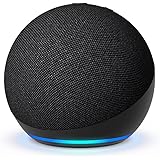
The video highlights a series of bizarre interactions where Alexa reportedly responds without a direct prompt. For example, some users have indicated that their devices activate between midnight and 3 AM, often referred to as “the devil’s hour.” These uncommanded responses sometimes involve peculiar phrases or even, as mentioned in the video, inquiries about “nearby morgues,” which is understandably alarming. It is not uncommon for individuals to be woken by their smart assistant seemingly having a conversation with an unseen entity, which naturally fosters a sense of unease regarding device autonomy and security.
Such unprompted activations might be attributed to various factors. False positives, where background noise or conversational fragments are misinterpreted as wake words, are a frequent explanation. Additionally, firmware glitches or unexpected network pings could potentially trigger these devices, causing them to vocalize pre-programmed responses or error messages. Investigations into these phenomena are regularly undertaken by device manufacturers, aiming to enhance the accuracy and reliability of voice assistant operations.
The Echo Chamber of Doubt: Alexa and Surveillance Concerns
Concerns surrounding the data collection practices of smart devices, including Alexa, have persisted since their introduction. Speculation often arises about whether these devices could be used for broader surveillance by government agencies, such as the CIA. While Amazon explicitly states that Alexa is designed to process audio only after its wake word is detected, public trust remains a significant hurdle. It is understood that voice assistant data can be used for various purposes, including improving service quality and targeted advertising.
The inherent architecture of these smart home devices means that they are continuously connected to the internet, potentially making them targets for sophisticated attacks. Data privacy is a growing concern for many users, and the potential for unauthorized access to personal conversations or home environments is often considered. Robust encryption protocols and transparent data handling policies are paramount for maintaining consumer confidence in these ubiquitous technologies. For instance, recent studies have indicated that approximately 60% of consumers worry about the privacy implications of their smart devices, underscoring the widespread nature of these concerns.
Safeguarding Your Digital Space: Beyond Alexa’s Quirks
The security of personal devices extends beyond voice assistants to include computers and webcams, as vividly illustrated in the video. The narrator’s experience with an inexplicably active webcam highlights a different, yet equally disturbing, aspect of digital vulnerability. Proactive measures are often required to protect one’s digital presence effectively.
The Narrator’s Dilemma: Understanding Webcam Compromise
The unsettling account of a webcam activating without user intervention is a classic indicator of potential remote access or malware infection. Even after wiping and reinstalling software on a 2017 stationary Mac, the green light on the webcam continued to appear, suggesting a persistent and sophisticated intrusion. This type of compromise often occurs through various vectors, including malicious software downloaded inadvertently, phishing attempts, or exploitation of unpatched software vulnerabilities.
Such incidents underscore the reality that dedicated cybercriminals can indeed gain unauthorized control over personal computer hardware. The ability to activate a webcam remotely without triggering its indicator light represents a high level of stealth, often requiring advanced malware or rootkit functionality. Many cybersecurity experts recommend physically covering webcams as a simple, yet effective, safeguard against such intrusions, as was adopted by the narrator for six months after his initial scare.
Practical Steps for Enhanced Smart Home Security
Given the various potential vulnerabilities, several practical steps can be implemented to enhance the security and privacy of smart home devices, including Alexa. Regular firmware updates are crucial, as these often contain patches for newly discovered security flaws. Users are advised to review the privacy settings of their voice assistants frequently, adjusting permissions for data collection and voice recording as preferred. Furthermore, strong, unique passwords should be employed for all connected accounts, and two-factor authentication should be enabled whenever possible.
Network security also plays a vital role in protecting IoT devices; consequently, a robust home Wi-Fi password and a firewall are essential. Devices that are not in active use might be unplugged, especially if unexplained activity is observed, providing a physical layer of security. Disabling the microphone on smart speakers when privacy is desired can also be a simple, effective measure to prevent unwanted listening or accidental activations. These combined efforts contribute significantly to a more secure smart home environment.
Staying Ahead of Digital Intrusions
Addressing digital privacy and security concerns requires a proactive and informed approach. The strange behaviors exhibited by voice assistants like Alexa, combined with more direct threats such as webcam hacking, emphasize the importance of understanding the digital landscape. Remaining vigilant and implementing robust security practices are vital for protecting personal information and maintaining peace of mind in our increasingly connected lives. Staying informed about the latest cybersecurity threats, including those targeting smart home devices, is an ongoing responsibility for all digital citizens.
Decoding Alexa’s Life-Saving Warnings: Your Q&A on Calling 911
What are smart home devices like Alexa?
Smart home devices like Alexa are designed to simplify daily tasks in modern homes by responding to voice commands and automating functions.
Why might my Alexa device sometimes speak or activate on its own?
This can happen due to ‘false positives,’ where background noise is misinterpreted as a wake word, or occasionally due to firmware glitches or network pings.
Does my Alexa device listen to everything I say, even when I’m not talking to it?
Amazon states that Alexa processes audio only after its wake word is detected, but concerns about data collection and potential surveillance by smart devices are common among users.
What are some simple ways to make my smart home devices more secure?
You can improve security by regularly updating your device’s software, reviewing privacy settings, using strong passwords, and physically covering webcams when not in use.